



Table Of Contents
Wondering how much a riding lawn mower cost and which one suits your yard best? Whether you’re tackling a medium lawn or managing a sprawling property, riding lawn mowers are designed to make lawn care faster, easier, and far less tiring. From affordable models to premium machines with advanced features, there’s a mower for every budget and yard size.
Table Of Contents:
Riding Lawn Mower Overview
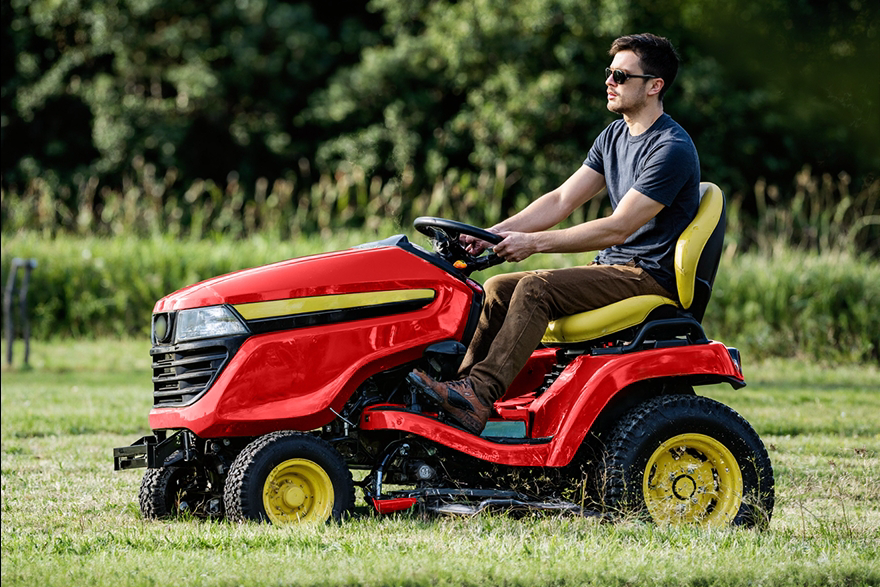
A riding lawn mower is more than just convenience—it’s a game-changer for homeowners who want to maintain beautiful lawns without breaking a sweat.
These machines are comfortable, efficient, and ideal for medium to large yards. Instead of pushing a heavy mower, you simply ride and steer, cutting mowing time in half.
Types of Riding Lawn Mowers
Riding mowers come in different styles, each catering to specific needs:
-
Rear-Engine Riders – Compact and budget-friendly, perfect for small to medium lawns.
-
Lawn Tractors – Versatile with attachments for mulching, bagging, or towing.
-
Garden Tractors – Built for heavy-duty tasks, suitable for large and uneven terrain.
-
Zero-Turn Mowers – Ultra-precise and fast, best for maneuvering around obstacles.
Curious about how zero-turn mowers compare? Check out our guide on zero turn vs riding mower: which is best for your lawn?
Benefits of Riding Mowers
Getting a riding mower can seriously up your lawn care game. Here's why they're worth the investment:
-
Comfort: Padded seats and ergonomic controls reduce fatigue.
-
Efficiency: Wide cutting decks cover more ground in less time.
-
Ease of Use: Steering is simple, even for first-time users.
-
Versatility: Attachments allow mowing, mulching, bagging, and hauling.
A riding mower is more than just a tool—it's a smart investment in your home, making lawn care easier, safer, and quicker. Not sure which mower is your perfect match?
Dive into our guide on what kind of mower do you want for your lawn?.
Factors Affecting Riding Lawn Mower Cost
The cost of a riding lawn mower varies widely. Here’s what influences the price:
-
Power Source Impact
-
Gas-Powered Mowers – More powerful, excellent for thick or tall grass, but require regular maintenance like oil changes and fuel costs.
-
Electric Mowers – Quieter, lighter, and often cheaper upfront. Battery-powered models may cost more due to high-capacity batteries.
-
Size and Cutting Width
-
Cutting Width: Wider decks mean fewer passes and faster mowing but raise the price.
-
Mower Size: Larger machines cost more and require more storage space, but they’re ideal for big lawns.
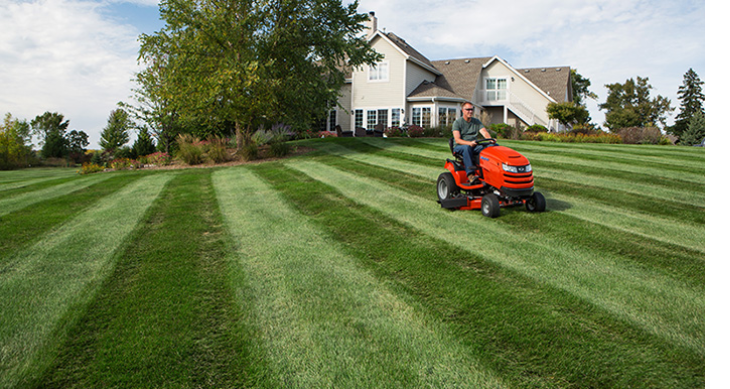
Understanding your lawn’s size and terrain helps you balance the cost of a riding lawn mower and performance.
Budget-Friendly Riding Lawn Mowers
Looking for an affordable riding lawn mower? Great news—you don’t need to spend a fortune to get reliable performance.
Affordable Options
-
Rear-Engine Riders: Typically start around $1,200–$2,500.
-
Small Lawn Tractors: Mid-range options for $2,000–$4,000.
Value-for-Money Features
When shopping for budget models, prioritize:
-
Hydrostatic Transmission for smooth speed changes.
-
Adjustable Cutting Heights for different grass types.
-
Comfortable Seating to reduce fatigue.
-
Easy Maintenance with accessible parts and blades.
These features ensure long-term value while keeping upfront costs manageable.
High-End Riding Lawn Mowers
If budget isn’t a concern, high-end models deliver premium performance.
Premium Models
For example, the Cub Cadet Ultima ZT1 with a 50-inch deck and a 23HP V-Twin Kawasaki engine is perfect for large lawns and tough terrain.
Advanced Features
-
Dual Hydro Drive for precise control.
-
Full Suspension Systems for comfort on uneven ground.
-
Powerful Engines reaching speeds of up to 13 mph.
-
Durable Construction built to last years.
These models are best for homeowners with large, high-maintenance lawns who value speed and comfort.
Maintenance and Longevity of Ride on Lawn Mowers
A key part of riding lawn mower cost isn’t just the purchase—it’s the maintenance. Regular care extends your mower’s life and keeps performance top-notch.
Importance of Maintenance
Neglecting upkeep can lead to costly repairs and shorter lifespan. Essential tasks include:
-
Oil changes
-
Blade sharpening
-
Belt replacements
-
Air filter cleaning
Tips to Extend Lifespan
-
Clean after use to prevent rust.
-
Store in a dry space to protect from weather damage.
-
Check tire pressure regularly for smoother operation.
-
Use quality fuel for gas-powered mowers.
Choosing the Right Riding Lawn Mower
The right mower depends on your yard and preferences.
Yard Size & Terrain
-
Small to Medium Lawns: Rear-engine or compact tractors work well.
-
Large Yards: Wide-deck tractors or zero-turn mowers are more efficient.
-
Hilly or Uneven Terrain: Look for traction and stability features.
Personal Preferences
-
Comfort: Adjustable seats and ergonomic controls.
-
Extra Features: Attachments for mulching, bagging, or towing.
-
Ease of Use: Ideal for beginners and experienced homeowners alike.
By matching your yard’s needs with your personal preferences, you’ll find the perfect riding lawn mower without overspending.
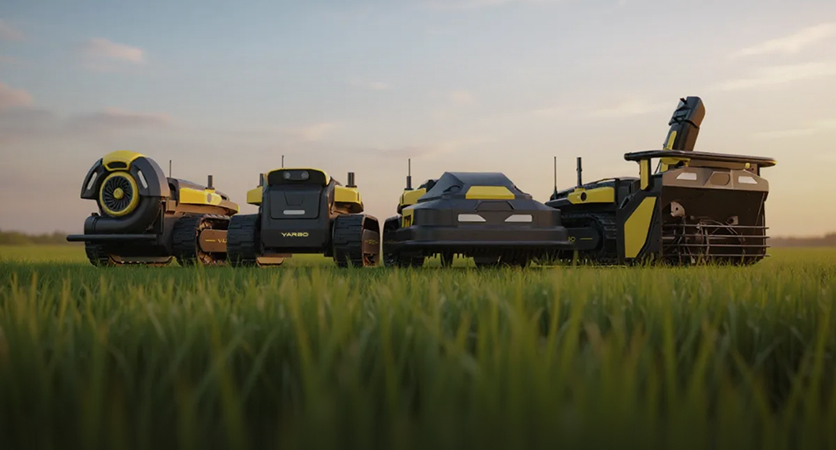
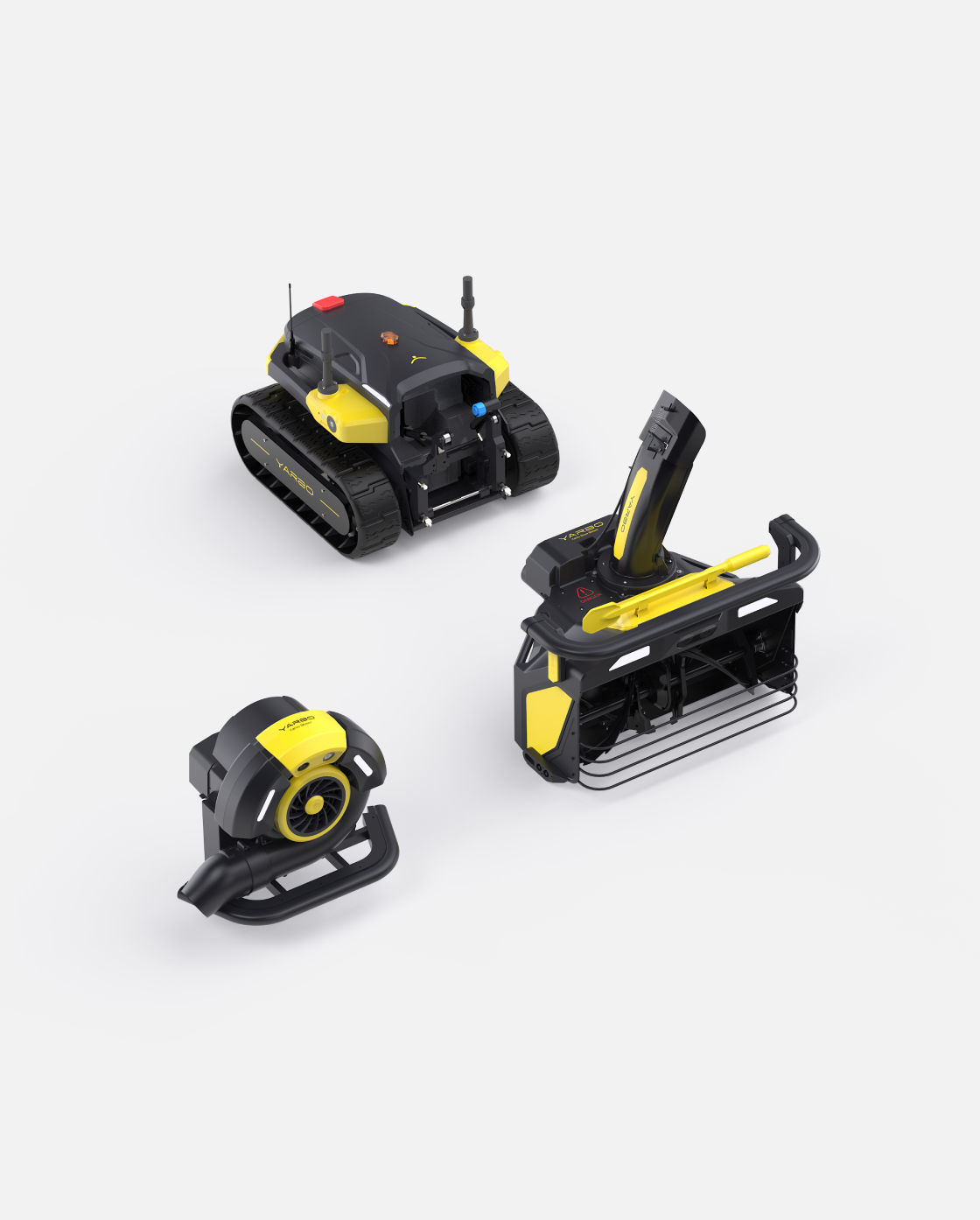
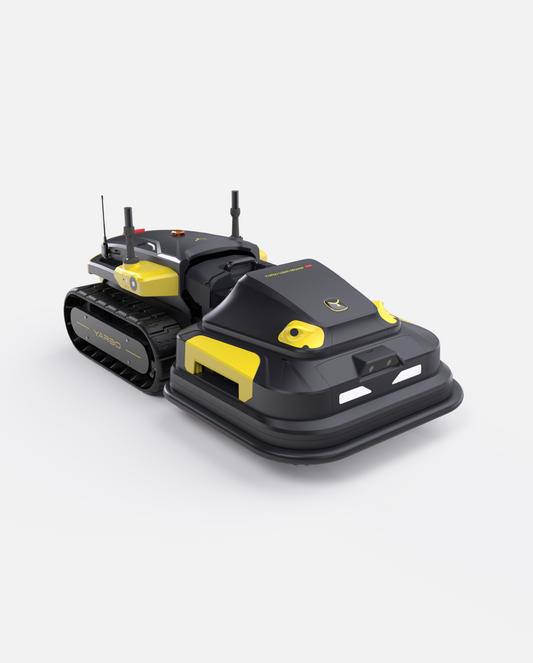
Yarbo Robot Lawn Mower: A Smarter Alternative to Ride On Lawn Mower
While riding mowers are a reliable choice, they still require manual operation—steering, fueling, maintenance, and hours of seat time every week.
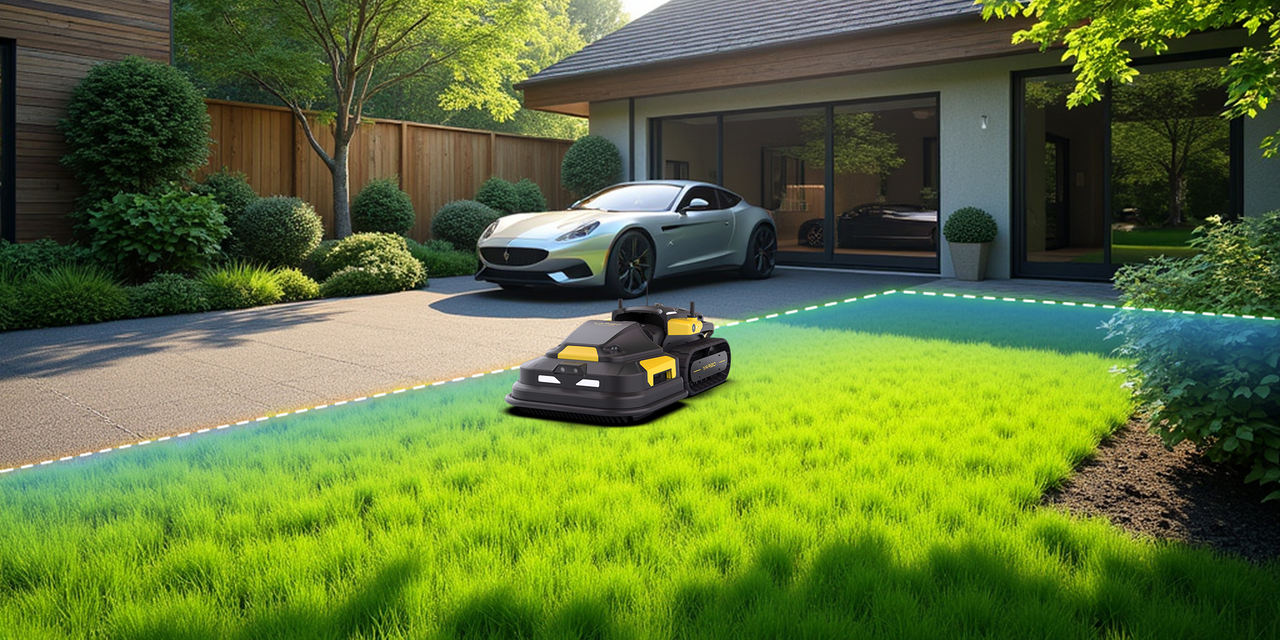
For homeowners managing large or complex yards, this can feel like a never-ending chore. That’s where the Yarbo Robot Lawn Mower steps in.
Designed for Large Properties
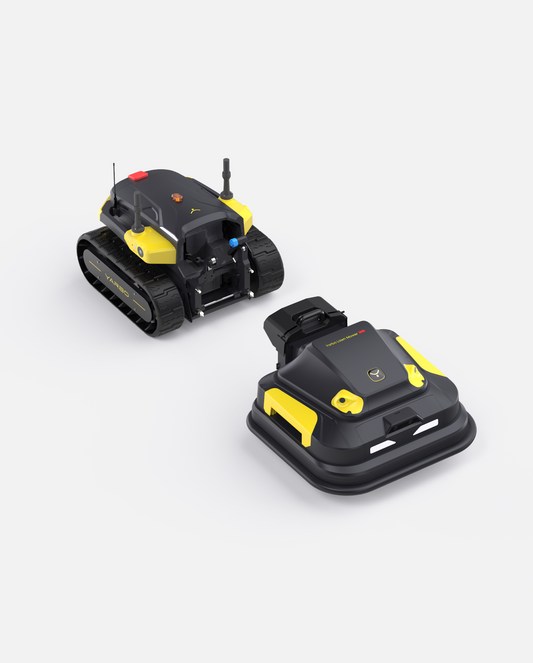
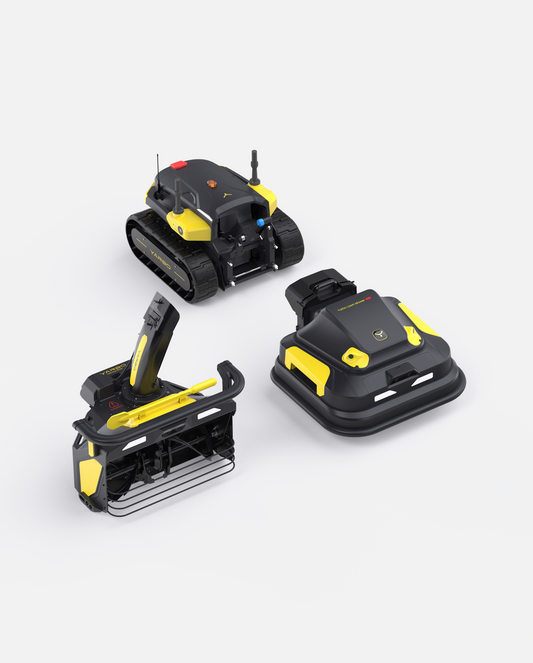
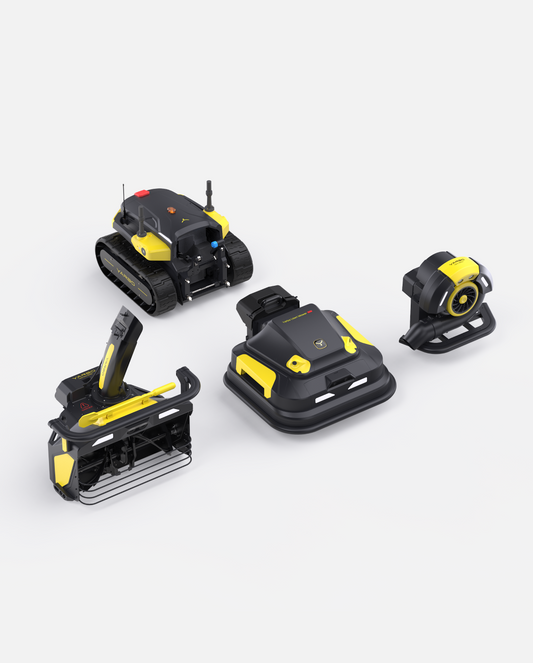
Unlike traditional riding mowers, Yarbo is engineered to handle large and high-maintenance yards automatically. Built with high-precision navigation and modular attachments, it takes the manual labor out of mowing while delivering consistent, professional-quality results.
How Yarbo Solves the Ride-On Mower Problem?
-
Hands-Free Operation: No need to spend hours riding—Yarbo mows on its own.
-
Precision Cuts: Advanced sensors and mapping ensure even coverage across large lawns.
-
Efficiency for Big Yards: Ideal for sprawling properties that would take hours with a riding mower.
-
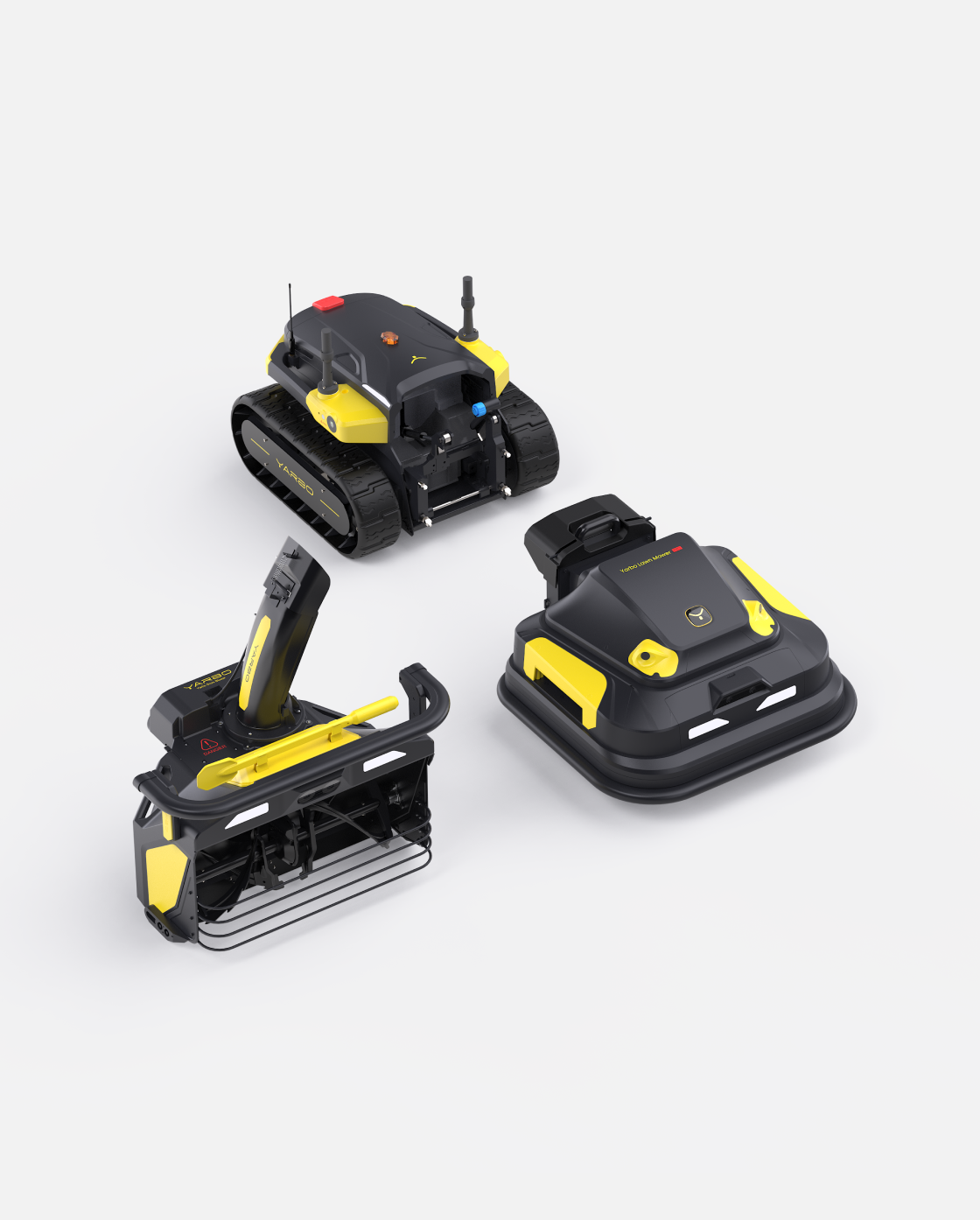
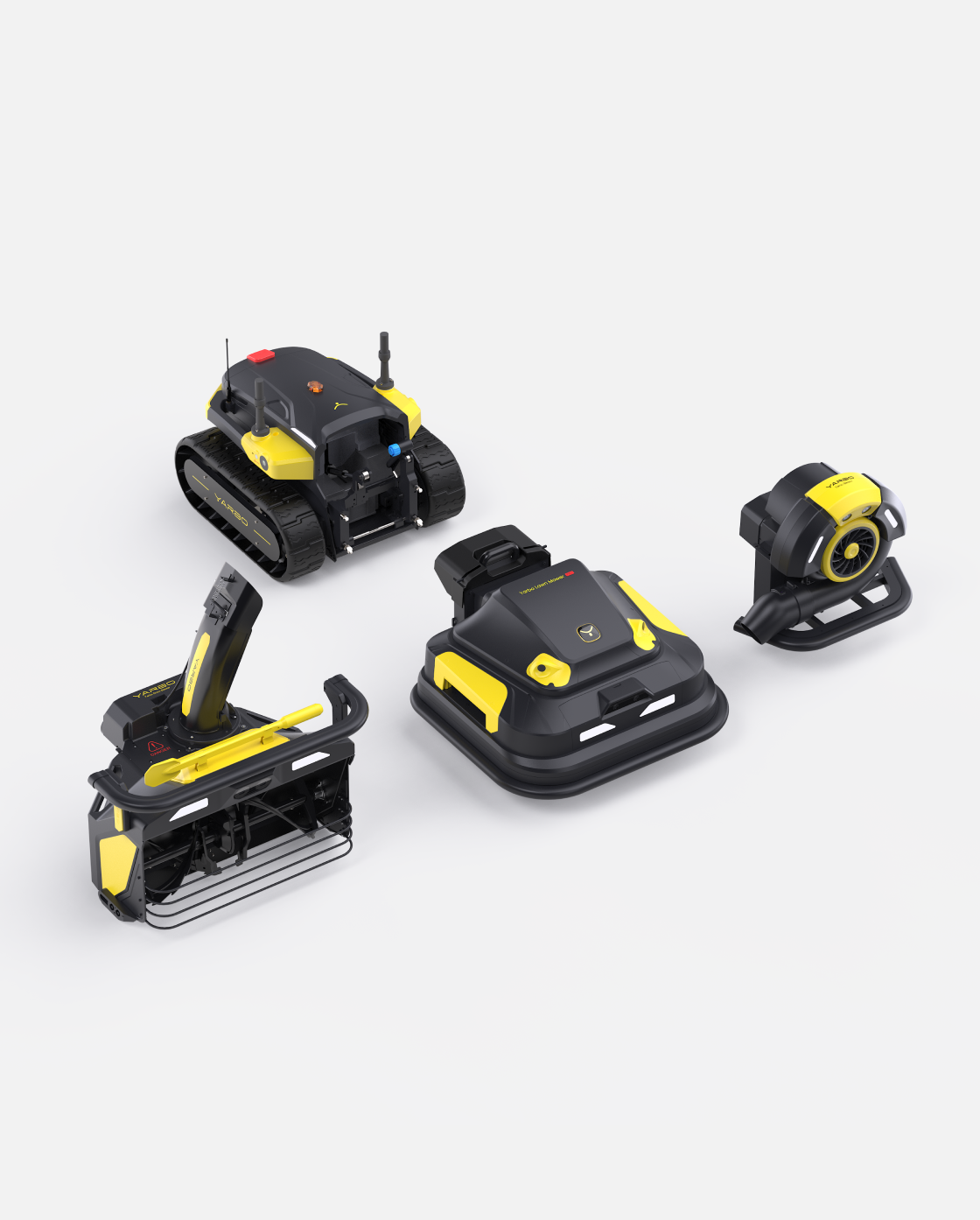
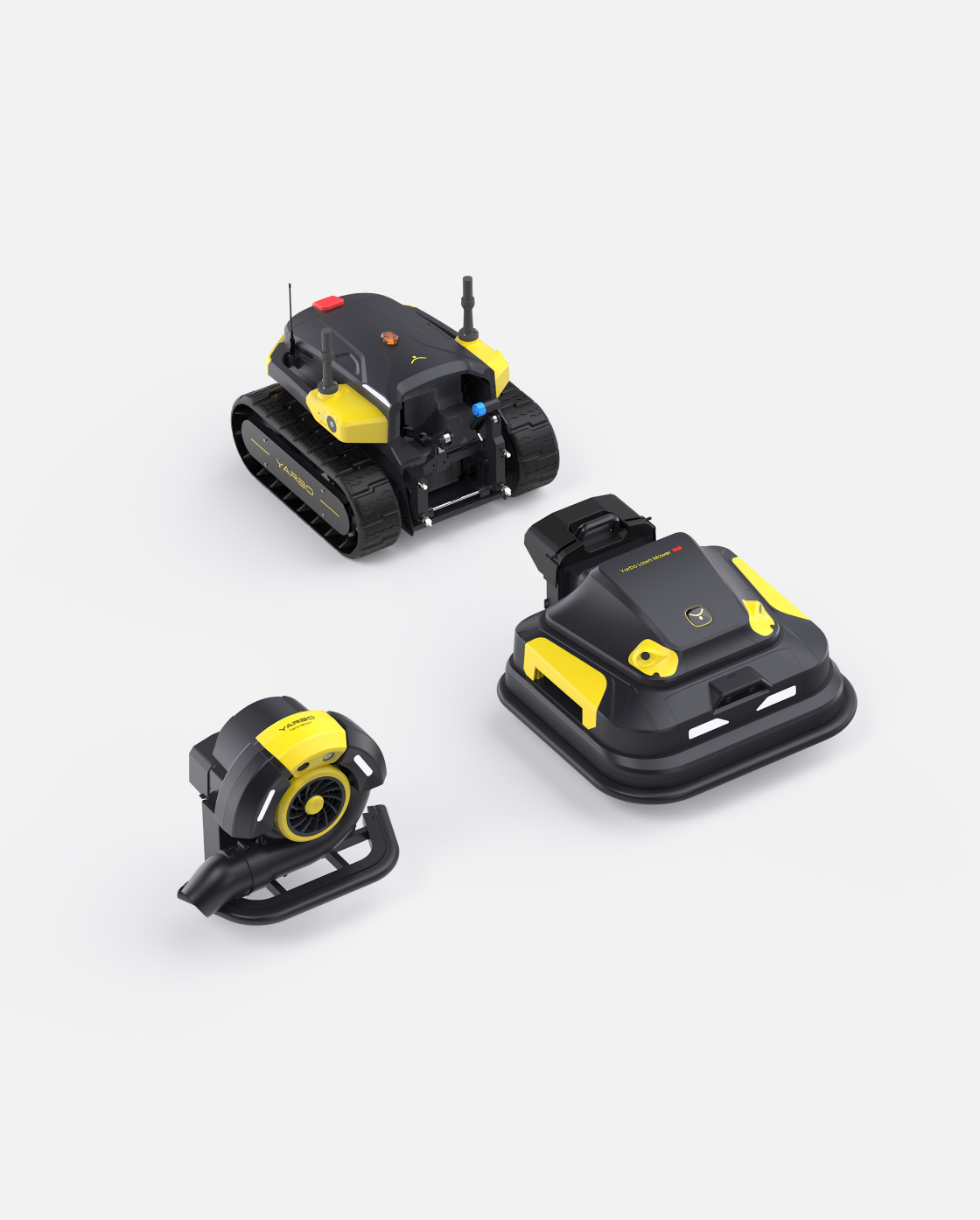
Multi-Tasking: With modular design, Yarbo isn’t just a mower—it can also handle snow removal and leaf blowing, reducing the need for multiple machines.
-
Eco-Friendly Option: Battery-powered operation reduces fuel costs and emissions compared to gas-powered ride-on mowers.
Why Upgrade from Riding to Robotic?
If you’re tired of dedicating weekends to mowing, Yarbo gives you your time back while keeping your yard in perfect shape.
Instead of investing thousands in a riding lawn mower plus fuel, maintenance, and labor, Yarbo offers a set-it-and-forget-it solution that pays off in convenience, efficiency, and long-term cost savings.
Instead of investing thousands in a riding lawn mower plus fuel, maintenance, and labor, Yarbo offers a set-it-and-forget-it solution that pays off in convenience, efficiency, and long-term cost savings.
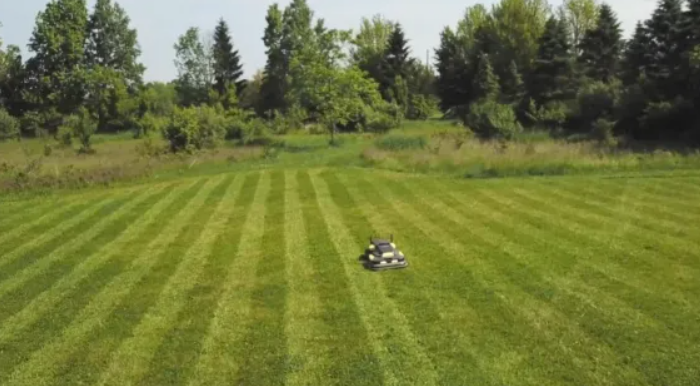
In short, while riding lawn mowers make lawn care easier, the Yarbo Robot Lawn Mower takes it to the next level—removing manual work altogether and giving large-property owners the smart, automated solution they’ve been waiting for.
FAQs
Q1: How much does a riding lawn mower cost?
Prices range from around $1,200 for basic models to over $10,000 for premium commercial-grade mowers.
Prices range from around $1,200 for basic models to over $10,000 for premium commercial-grade mowers.
Q2: What factors affect the price of a riding lawn mower?
Engine power, cutting width, brand, and features like hydrostatic transmission or suspension systems.
Engine power, cutting width, brand, and features like hydrostatic transmission or suspension systems.
Q3: Are ride on lawn mowers worth it?
Yes. For medium to large lawns, they save time, reduce physical strain, and offer long-term durability.
Yes. For medium to large lawns, they save time, reduce physical strain, and offer long-term durability.
Q4: Which is the most affordable type of ride on lawn mower?
Rear-engine riders and small lawn tractors, starting at $1,200–$2,500.
Rear-engine riders and small lawn tractors, starting at $1,200–$2,500.
Q5: Do ride on lawn mowers require expensive maintenance?
Not necessarily. Regular oil changes, blade sharpening, and belt checks keep costs manageable.
Not necessarily. Regular oil changes, blade sharpening, and belt checks keep costs manageable.




 Private group · 33.0K members
